.jpg)
Page Scroll Links: The Three Materials · EPDM · HNBR · FKM · Comparison · Product Integration · FAQ · Sources
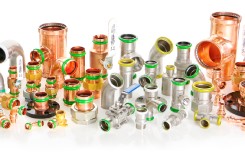
Sealing elements used in carbon steel, stainless steel, and copper press systems are designed to form an airtight, secure seal when the fitting is crimped onto the pipe or tubing.
Choosing the correct gasket material is essential for achieving a reliable seal, as it helps prevent costly or hazardous leaks and avoids unnecessary system shutdowns.
The right sealing materials not only improve overall system performance and safety; but also extend the service life of both the fittings, valves and the tools used to install them.
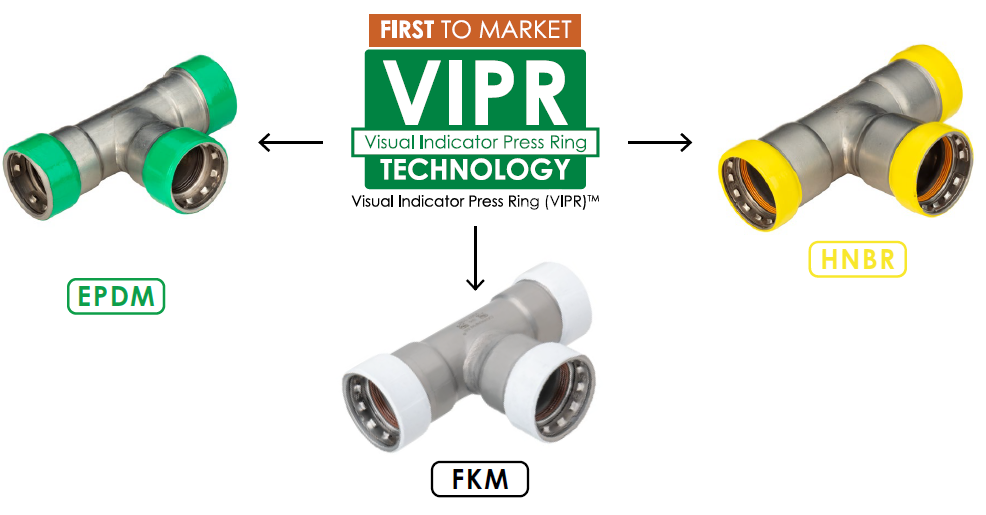
What does FKM stand for? Fluoroelastomer. FKM is a synthetic fluorinated rubber, with a temperature range of:
FKM sealing elements are typically dull black and offer excellent chemical resistance. Their ability to withstand both aggressive chemicals and elevated temperatures makes FKM an ideal material for seals and gaskets used in industrial process applications, as well as other specialty applications (solar energy processing).
What does HNBR stand for? Hydrogenated Nitrile Butadiene Rubber. HNBR is a specialty elastomer with a temperature range of:
It provides exceptional physical strength and maintains its properties even after prolonged exposure to heat, oil, and various chemicals. Due to these unique characteristics, HNBR is widely adopted in automotive, industrial, and other highperformance applications.
What does EPDM stand for? EthylenePropyleneDiene Monomer Rubber. EPDM is a synthetically manufactured, peroxidecured, allpurpose elastomer with a temperature range of:
EPDM offers excellent resistance to most alkaline solutions and to many chemicals used across diverse industries. Its particularly strong resistance to hot water makes it a preferred choice for seals and gaskets.
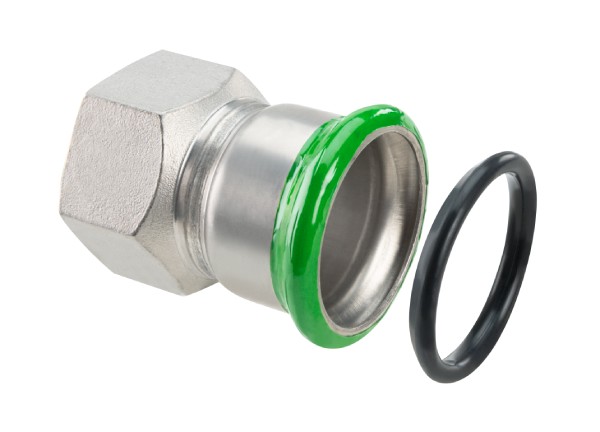
EPDM is made by combining ethylene, propylene, and small amounts of diene monomer. Some of the material characteristics of EPDM are:
One of EPDM’s key properties is its wide temperature range, which spans from −45 °C to 150 °C.
EPDM offers:
EPDM is frequently utilized in the PVF industry for the most common PVF applications. These common PVF industries are hydronic systems, plumbing systems, chilled water systems, and non-oil-based environments.
EPDM can also be used in potable water applications, if the final product has the correct potable water certifications.
EPDM has an advantage with its outstanding resistance to heat and the resistance to oxidation, sunlight, abrasion, and various hydraulic fluids. Additionally, EPDM is cost-effective and long lasting in specific environments such as water.
However, EPDM has limitations, including poor compatibility with hydrocarbons, limited abrasion resistance.
HNBR is formed by taking standard nitrile rubber (NBR) and adding hydrogen to create a specialized synthetic rubber.
Hydrogenation is a chemical process that adds molecular hydrogen to another compound, converting it into a saturated form. This process reduces double and triple bonds, transforming liquid oils into solid or semi-solid fats while increasing stability and extending shelf life.
The difference between Nitrile Rubber or NBR and HNBR is the temperature, chemical, and pressure resistance. NBR is used in low temperature and pressure applications whereas HNBR is used in high temperature and pressure applications.
View HNBR Press Fittings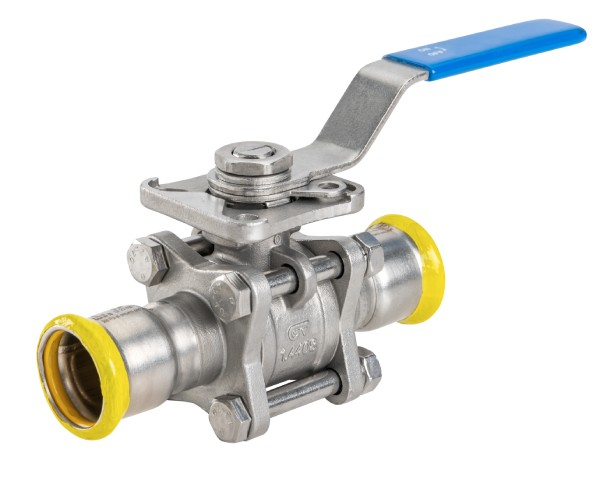
The temperature range for HNBR is -40 degrees Celsius to 150 degrees Celsius, but in terms of short-term temperature resistance goes up to 190 degrees Celsius.
Some of the other key properties of HNBR are:
HNBR is frequently used in the PVF industry for applications that do not deal with water. The most common being:
HNBR has an advantage with its superior thermal and chemical stability and its high abrasion resistance. Some of the limitations of HNBR are that it is not suited for certain steam or high-oxidizer environments and the cost of HNBR is more expensive to make than NBR.
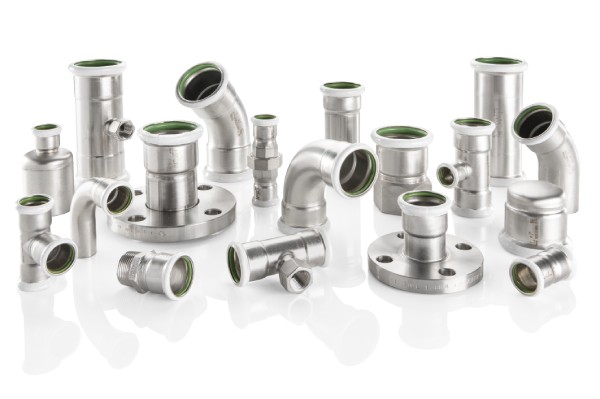
FKM is made from fluorinated hydrocarbons.
The basics of FKM are the structure of it, which are long chain polymers with high fluorine content offering superior thermal stability and chemical resistance.
The performance of FKM is also known for a low compression set and longevity.
There is some confusion between FKM and Viton®. FKM is not a brand name; however, Viton® is a brand name that is a specific type of FKM.
View FKM Press FittingsFKM has many key properties which include:
The common applications for FKM sealing elements are aerospace, chemical, oil and gas sector, food and pharmaceutical, high temperature industrial applications and chemical handling lines.
Some advantages of FKM are the premium-performance sealing, the thermal stability, and wide range of chemical compatibility. The main point to consider when selecting FKM is if the higher cost of FKM is worth the upgrade vs EPDM/HNBR.
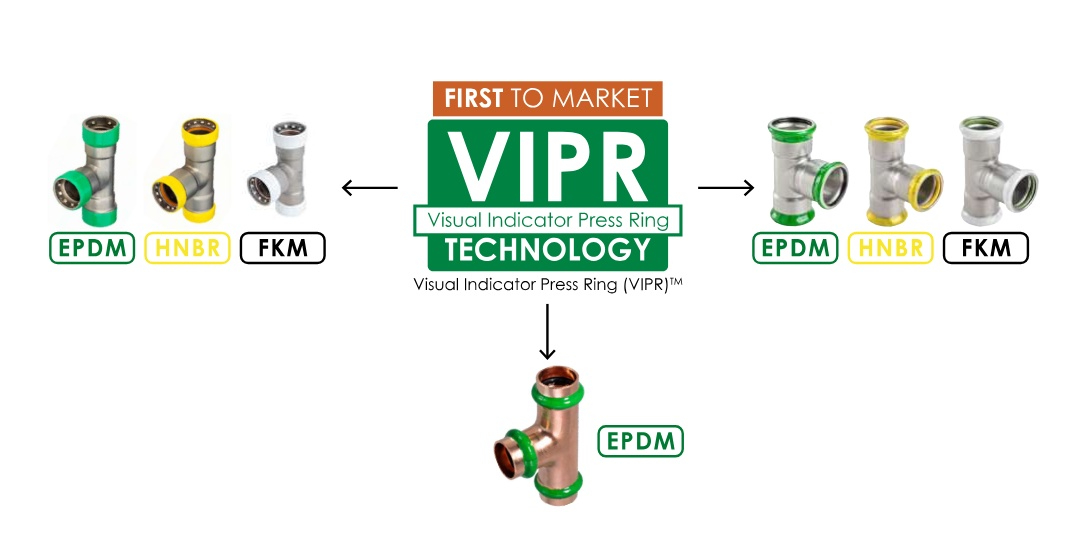
| Sealing Elements | EPDM | HNBR | FKM |
|---|---|---|---|
| Temperature range | −45 °C to 150 °C | −40 °C to 150 °C | −20 °C to 200 °C |
| Chemical Compatibility | Acetone, Brake Fluid, Chlorine Water, Ethylene Glycol, Steam | Diesel Fuel, Ethylene Glycol, Gasoline | Benzene, Chlorine Water, Diesel Fuel, Ethylene Glycol, Gasoline, Hydrochloric Acid, Mineral Oil |
| Hydrocarbon resistance | Not resistant | Hydrocarbon resistant | Hydrocarbon resistant |
| System suitability | Hot Water, Steam, HVAC, Outdoor applications | Fuel Systems, oilfield applications, and dynamic applications | High Temperature applications, aggressive fuels/chemicals, aviation, and solar heating systems. |
| Cost Tier | Lowest Tier | Middle Tier | Highest Tier |
| Lifespan Expectations | 20+ years | 15 years shelf life | 15-20+ years in ideal conditions |
| Which Element Should You Choose? | Water Systems, General Plumbing | Oil, Gas, Hydrocarbons | Chemicals, High temperature, Industrial |
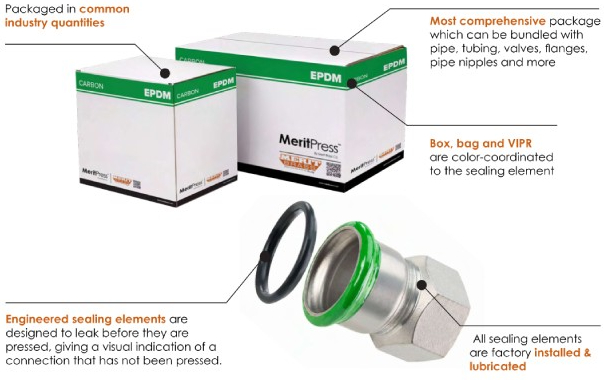
Merit Brass has an offering of press fittings and valves in each of these sealing elements.
Merit Brass’ sealing elements can be used across a wide range of applications to provide a reliable connection to fittings in multiple commercial and industrial PVF systems.
Sealing Elements Available:
6/4/2026 12:47:32 PM