In This Blog, you will learn:
Material Test Reports (MTRs) show regulatory compliance for metal and alloy products. Suppliers use MTRs to show their products meet standards such as ASTM, ASME, and ISO.
An MTR certifies that a metal product meets the material characteristics of that product as outlined in the referenced standard. It presents verified data on:
When reviewing an MTR, it is important to confirm that the referenced standards match your project’s required specifications. Look for clear references to compliance certifications and signatures from qualified inspectors or third-party agencies.
Properly documented MTRs help companies avoid penalties, maintain quality control, and provide critical traceability in case of material failure or audits. Ultimately, reliable MTRs serve as official proof that materials are safe and qualified for regulated applications.
Material Test Reports (MTR) come in different types that confirm material quality and compliance. The most common are Mill Test Reports, also called Mill Certificates, which list chemical and physical properties.
Other types include Certified Material Test Reports and Inspection Certificates. Each varies slightly by industry standards, such as EN 10204 3.1 or 3.2. Some organizations issue reports digitally, while others provide physical documents.
Choosing the right type is crucial for ensuring proper documentation, traceability, and regulatory compliance in manufacturing and construction projects.
.jpg)
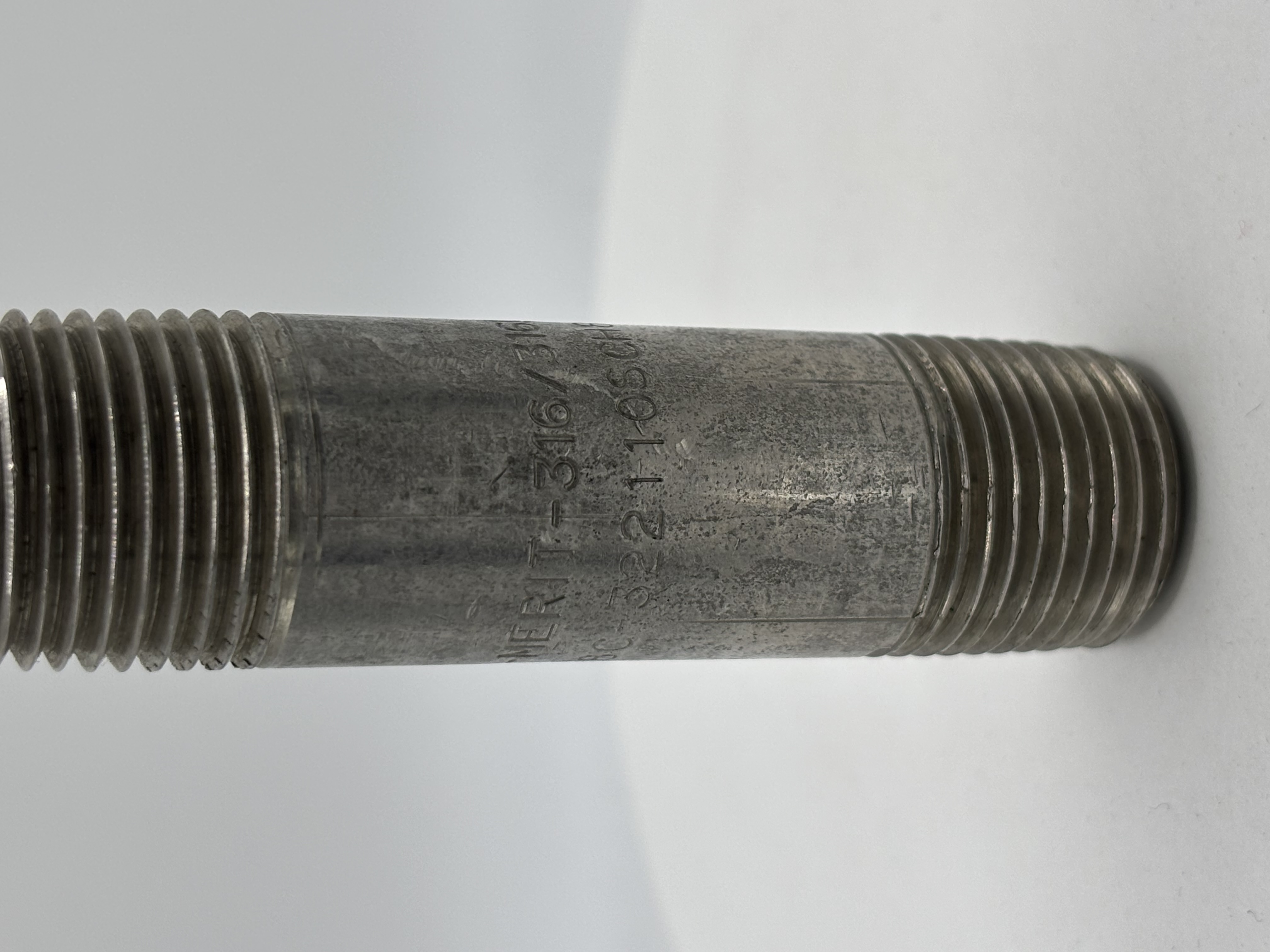
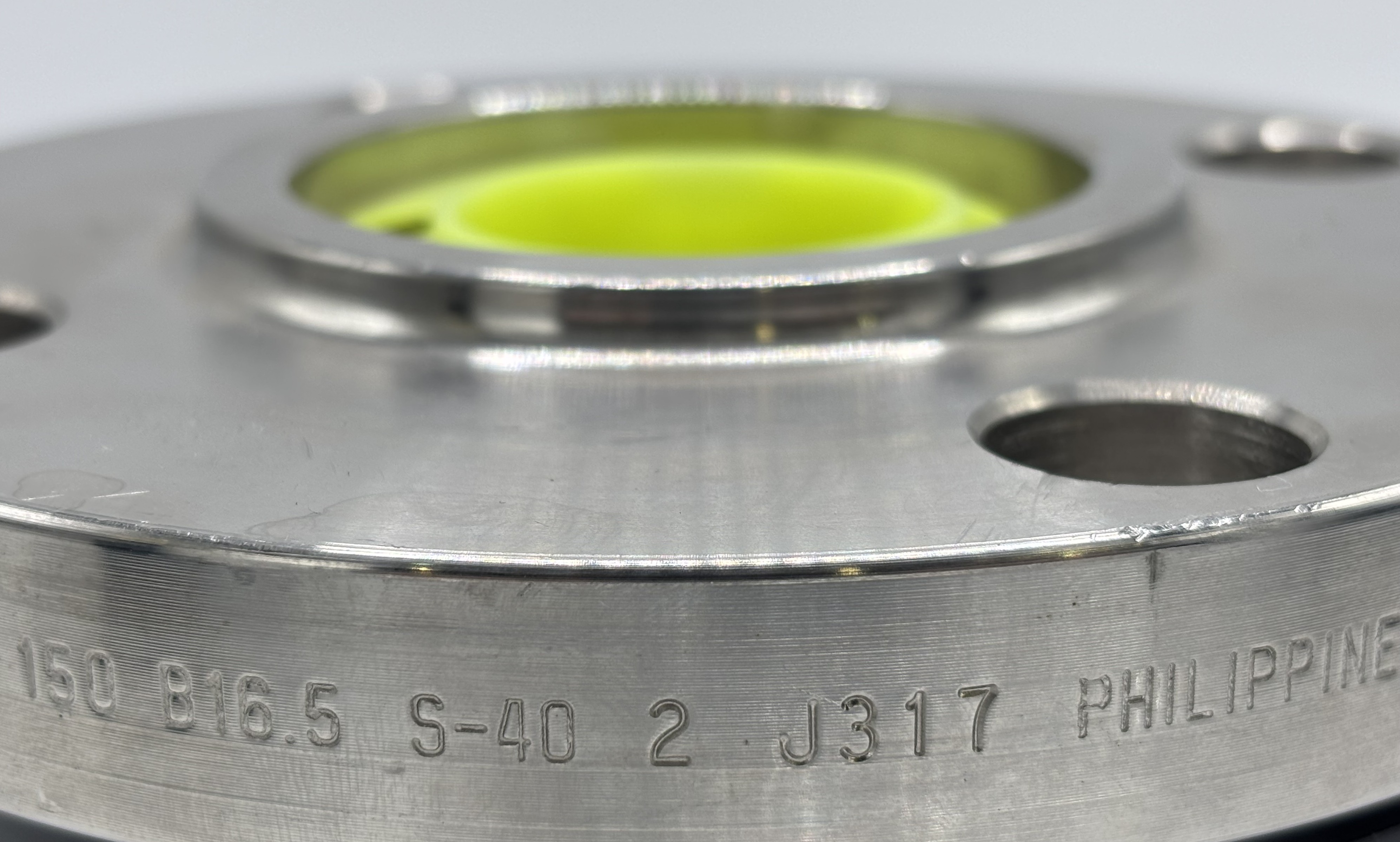
The heat number is a unique code. You can find it on every Material Test Report (MTR) and on the metal itself. It uses a unique identifier to link a piece of metal to the specific batch—or heat—that produced it.
Think of the heat number as the metal’s unique fingerprint identifier. It gives full traceability and allows you to match the MTR test results to the metal in use.
You can find the heat number on the MTR and match it to the marking on the metal. This step helps confirm the material meets required standards and supports quality and compliance.
Always double-check the heat number to prevent costly mix-ups and uphold safety standards in your project.
Think of the heat number as the metal’s unique fingerprint identifier. It gives full traceability and allows you to match the MTR test results to the metal in use.
You can find the heat number on the MTR and match it to the marking on the metal. This step helps confirm the material meets required standards and supports quality and compliance.
Always double-check the heat number to prevent costly mix-ups and uphold safety standards in your project.
When learning to read a material test report (MTR), one key step is finding the heat number on the material.
To locate the heat number:
The heat number may appear as numbers, letters, or both. It should match the heat number on the related MTR.
If the material has paint or a coating, check for metal tags or stickers that display the heat number.
Matching the heat number on the material to its MTR is vital. It helps verify compliance, traceability, and quality assurance.
Reading the chemical and mechanical properties on a Material Test Report (MTR) helps you check the material. It confirms the material meets your project specifications.
Chemical properties appear in a table on the material test report. The table shows the percentages of key elements including:
Compare these values to the acceptance criteria or standards (such as ASTM or ASME) to ensure compliance.
Mechanical properties define the physical performance of the material. Common parameters include:
These values indicate how the material responds to stress and whether it’s suitable for the intended application.
Always confirm the listed properties meet your project requirements. If anything is unclear, contact the supplier or a materials expert. This helps ensure quality and safety.
Ensuring a material meets required standards is a key step when learning to read a Material Test Report (MTR). As stated above, an MTR specifies compliance standards, such as ASTM, ASME, EN, or ISO.
These standards set the minimum chemical and mechanical properties for the material. To verify compliance:
Locate the referenced standards (found in the product description or specification section).
Compare the report’s test results for chemical composition and mechanical properties with these standards’ acceptance criteria.
Look for official stamps, signatures, or certification marks from authorized inspectors to validate the results.
Check for the correct heat number to ensure traceability between the MTR and the material.
Properly reviewing compliance standards in an MTR ensures the material is safe, reliable, and fit for your project. It reduces risk and helps you meet regulations.
To find a material test report (MTR) for a specific heat number, first inspect the material. Check the item for a stamped or attached heat number.
Mastering how to read a material test report (MTR) is important. It helps ensure metal products meet quality requirements, while supporting safety and compliance. When you understand what a material test report shows and how to read key properties, you can verify materials with confidence.
Always double-check heat numbers, specifications, and compliance marks, and consult suppliers for clarification as needed. A thorough review of an MTR protects your operations and guarantees regulatory and quality assurance.
Authors: Nick Stankovic, Marketing Intern, Merit Brass Co. and Marcus (Mark) Estrella, Director of Product Line Management
Sources:
https://www.weldfabworld.com/how-to-read-material-test-certificate/
https://bscoinc.net/material-test-reports-mtr-frequently-asked-questions/
https://materialwelding.com/how-to-read-a-material-test-certificate-or-mtc/
https://www.millsteel.com/blog/blog-how-to-read-mill-test-reports
https://en.wikipedia.org/wiki/Heat_number
https://www.wermac.org/documents/heat_number.html
https://engineerfix.com/what-is-a-heat-number-and-why-is-it-important/
https://store.astm.org/standards/a370
https://starsoftware.co/a-complete-guide-to-astm-asme-and-iso-standards-for-mtrs/
https://www.inspection-for-industry.com/material-test-report.html
https://epcland.com/material-test-certificate-en-10204-guide/
https://materialwelding.com/material-test-certificates-explained/
4/20/2026 12:05:23 PM
.png)
.png)